


This topic is near and dear to my heart because changing my perspective on saying no has impacted my life and confidence in ways I never imagined.
Today, I feel comfortable saying no, not because it comes naturally, but because I’ve experienced its value firsthand.
Learning to say no has helped me build stronger boundaries. Trust myself more deeply, and create healthier relationships.
My hope is that by the end of this article, you’ll begin to see the value in saying no too.
Why Saying No Feels So Hard
If you’re human, and you’ve felt the pressures of the world around you. you’ve probably at some point agreed to something you didn’t want to do, only to feel frustrated, overwhelmed, or resentful afterward.
Maybe you said yes to helping a family member, covering a shift, attending an event. Or taking on another responsibility when your plate was already full.
You knew you wanted to say no.
But you didn’t.
Why?
For many people, saying no isn’t difficult because they don’t know how. It’s difficult because of how it makes them feel.
- Guilty.
- Selfish.
- Unkind.
- Disappointing.
You are conditioned to reply yes. Getting to the bottom of this conditioning is key. The truth is, saying no is one of the most important skills you can develop if you want healthier relationships, stronger boundaries, and greater self-respect.
Let’s explore why saying no feels so hard and how you can stop feeling guilty when you do it.
There is fear around saying no:
Saying no often feels uncomfortable because we fear what might happen afterward.
- We worry about disappointing someone.
- Avoiding conflict.
- Worry about being judged.
- Fear of damaging the relationship.
Many of us have learned to associate being helpful, agreeable, and accommodating with being a good person. As a result, saying no can feel like we’re letting someone down. The truth is… when we don’t genuinely want to do something. For many reasons, and one of the most important ones is it simply doesn’t align with us. We not only create negative friction for us but we damage our relationships slowly. Because we are not giving the other person a fair shot at being good for us.
Saying no doesn’t make you a bad person.
It simply means you’re acknowledging your own needs, limits, priorities, and responsibilities.
The discomfort you feel is often not because you’re doing something wrong. It’s because you’re doing something different. Something that’s unfamiliar
Where Does the Difficulty Saying No Come From?
For many people, the difficulty saying no didn’t start in adulthood.
It started much earlier. Most likely your childhood. Yes, we can accumulate experiences along the way that can negatively impact us and cause us to need to please other. Many times those experiences amplify things that we have not healed yet. So generally speaking it starts in your childhood.
As children, we learn how relationships work by observing the people around us. We learn what earns approval, what creates conflict, and what keeps us feeling safe and accepted.
Some people grew up in homes where they were praised for being helpful, agreeable, and accommodating. Others learned that saying no led to guilt, criticism, disappointment, or conflict. This is a huge subject and I talk about it in my family dynamics blog.
Over time, these experiences can shape our beliefs about ourselves and our relationships.
We may begin to believe:
- My needs aren’t as important as everyone else’s.
- It’s my job to keep the peace.
- Good people always help.
- If someone is upset, I’ve done something wrong.
- Saying no will damage the relationship.
The challenge is that these beliefs often follow us into adulthood, even when they no longer serve us.
What once helped us feel accepted can eventually lead to people-pleasing, resentment, burnout, and difficulty setting boundaries.
The good news is that awareness creates choice.
Just because you learned these patterns doesn’t mean you have to continue living by them.
You can learn that saying no doesn’t make you selfish.
You can learn that other people’s feelings are not your responsibility to manage.
And you can learn that healthy relationships are capable of surviving a respectful no.
Why Do I Feel Guilty Saying No?
Guilt is often rooted in the belief that we are responsible for other people’s feelings. Perhaps in the past, in your experience you have been guilt tripped into feeling bad for not doing something to make your Mom or Dad happy.
And suddenly as an adult you’re constantly caught in between taking care of and choosing yourself or making other people happy.
What generally happens in childhood:
- If someone is disappointed, we feel responsible.
- If someone is upset, we feel responsible.
- And if someone doesn’t get what they want, we feel responsible.
Over time, this can create a pattern where we sacrifice our own needs to keep other people comfortable.
The problem is that constantly putting others first comes at a cost.
You may begin to feel exhausted, overwhelmed, resentful, or disconnected from yourself.
Healthy relationships require consideration for others, but they also require consideration for yourself. Unhealthy relationship do not consider you when it comes to boundaries. The dynamic is completely different in unhealthy family dynamics.
You are responsible for your choices and it’s important to learn to take responsibility of your choices.
You are not responsible for managing everyone else’s emotions.
Does Saying No Make You Selfish?
One of the biggest misconceptions about boundaries is that saying no is selfish.
In fact, I would argue that constantly saying yes when you really mean no can be more harmful than saying no in the first place. When you’re not showing up as your genuine self, you’re preventing people from experiencing who you truly are.
You’re giving them a version of yourself that’s filtered through guilt, obligation, or people-pleasing. Saying no doesn’t make you a bad person. It allows you to take care of yourself and to be honest with others.
And it creates the opportunity for deeper, more authentic relationships.
After all, genuine connection isn’t built on people telling us what they think we want to hear. It’s built on honesty, trust, and being accepted for who we truly are.
Selfishness is consistently putting your needs above everyone else’s without consideration. Healthy boundaries are recognizing that your needs matter too. There is a significant difference.
Saying no to something that drains your energy allows you to say yes to something that aligns with your values, priorities, and well-being.
In many cases, saying no is actually an act of responsibility.
You are being honest about what you can realistically give instead of overcommitting and underdelivering.
Why Do People Get Upset When You Start Saying No?
This can be one of the most challenging parts of setting boundaries.
Sometimes people react negatively when you begin saying no because they have become accustomed to your yes.
Your boundary changes the dynamic of the relationship. I will say some relationships can be formed on your giving in. It’s unfortunately negative conditioning that’s been created there.
It changes expectations. when the expectations change, people sometimes have resistance towards the new you.
It may even require others to take responsibility for something they previously relied on you to handle. This doesn’t automatically mean you’ve done something wrong. You’re just learning like we all are.
In fact, discomfort is often a normal part of change.
People who genuinely care about you may need time to adjust, but healthy relationships can adapt to boundaries. A relationship that depends on you constantly abandoning yourself is not a healthy relationship.
Saying No Is a Boundary
Many people think boundaries are about controlling other people.
They’re not.
Boundaries are about clearly communicating what you are and are not willing to do, accept, or participate in.
Every time you say no to something that doesn’t align with your values, priorities, or well-being, you’re setting a boundary.
A boundary isn’t punishment, or rejection and it’s not an attempt to control someone else’s behavior. It’s a way of honoring your own needs while remaining respectful of others.
In many cases, saying no is one of the healthiest boundaries you can set.
It protects:
- your time.
- your energy.
- your peace.
Most importantly, it helps you stay true to yourself.
How to Say No Without Feeling Guilty
Many people believe they need the perfect explanation before they can say no.
They don’t, you don’t!
A respectful no is enough.
Some simple examples include:
- “I won’t be able to do that.”
- “That doesn’t work for me right now.”
- “I’m going to pass.”
- “I appreciate you thinking of me, but I can’t commit to that.”
- “No, thank you.”
Notice that none of these responses require a lengthy explanation. They’re clear, respectful, and honest.
If saying no feels uncomfortable, try a softer approach.
Many people find it easier to start with kindness and appreciation before delivering their answer.
For example:
- “That’s so kind of you to think of me, but unfortunately I won’t be able to do that.”
- “I really appreciate you asking, but I’m going to have to pass this time.”
- “Thank you for thinking of me. It sounds wonderful, but I can’t commit to it right now.”
- “I wish I could help, but I don’t have the capacity at the moment.”
- “I appreciate the invitation, but I’ll have to decline.”
These responses are still clear and honest, but they can feel more comfortable for people who are learning to set boundaries.
The important thing to remember is that kindness and honesty can exist together. You can be considerate of someone’s feelings without sacrificing your own needs.
You should go about it the way that feels most genuinely you!
Stop Overexplaining Yourself
When we feel guilty, we often try to justify our decision.
- By explaining ourselves
- Or defending our choices
- And we provide every detail…
We hope that if the other person understands our reasons, they’ll approve of our choice. Unfortunately, overexplaining often creates more opportunities for negotiation. The conversation shifts from your decision to your reasons.
Your reason: “I don’t have the money to join you this weekend.”
Their negotiations “Well you seemed to have the money to go to that concert last weekend with Sam.”
You don’t need to convince someone about the validity of saying no. It’s valid because it reflects what you need.
A simple, respectful no is enough.
And I do have to saying people who truly love and respect you will honor what you need.
What Happens When You Start Saying No?
At first, saying no may feel uncomfortable. Which is normal. Any new skill takes practice. Over time, however, many people begin to notice positive changes.
- Often feeling less overwhelmed.
- Experiencing less resentment.
- They have more energy.
- They feel more confident in their decisions.
- Most importantly, they begin to trust themselves.
Every time you honor your limits, you send yourself a powerful message:
“My needs matter too.”
That message strengthens self-respect and self-trust over time.
What You Attract Begins to Change
As you become more comfortable saying no, you start expressing a different level of confidence and self-respect.
People begin to understand your boundaries.
You stop attracting situations that rely on you constantly overextending yourself.
Instead, you create space for healthier relationships, opportunities, and experiences that align with your values and priorities.
When you value your time, energy, and well-being, you teach others to value them too.
If Someone You Love Struggles to Say No
I’ve experienced this firsthand, and if you’ve read my toxic family dynamics article, you’ll know I go more in-depth about these patterns there.
When I first started dating my husband, I noticed he would often say yes to things he thought I wanted.
Later, I started seeing a pattern.
He would say things like:
“I said yes because I thought you wanted to. I would’ve rather done something else.”
That’s when I realized there was a lot of guilt around saying no, especially to the women closest to him.
This was something he grew up with.
The dynamic in his home was often focused on keeping his mom happy. Saying no or disagreeing could create tension, so it felt safer to simply go along with what others wanted.
As a result, he learned to prioritize other people’s wants before his own.
Over time, I started saying things like:
“I’d like to know what you want to do. Don’t worry about my opinion for a minute.”
I wanted to create space for him to be honest and I didn’t want him agreeing with me because he felt pressure. I wanted genuine connection.
Over time, he learned that in our relationship, it was okay to say no.
In fact, I’d rather hear an honest no than a yes that leads to frustration, resentment, or feeling trapped.
If You Love Someone Who Struggles to Say No:
1. Know Yourself and Do Your Own Inner Work
Be clear about who you are, what matters to you, and where you’re going.
This creates stability in you.
When you’re secure in yourself, you’re less likely to need other people to agree with you or make you happy.
2. Be Clear About What Matters Most to You
For me, authentic and genuine connection is incredibly important.
Once I realized my husband was saying yes out of guilt, it became easier to address the pattern because I knew what I truly valued.
3. Take the Pressure Off Saying No
Try shifting the focus away from yourself.
Ask questions like:
“What would you like to do?”
“Don’t worry about what I want right now.”
“What’s your honest opinion?”
This gives the other person permission to express themselves without feeling responsible for your reaction.
4. Understand That Changing Old Patterns Takes Time
Patterns developed over years rarely change overnight.
Be patient.
Encourage honesty.
Create safety.
And remember that learning to say no is often a skill people need to practice before it feels natural.
The more safe and accepted someone feels when expressing their truth, the easier it becomes for them to do it again.
The Real Power of Saying No

Saying no may feel uncomfortable at first, but discomfort is not always a sign that something is wrong.
The power of saying no isn’t about rejecting other people.
It’s about respecting yourself.
Every time you say no to something that doesn’t align with your values, priorities, or capacity, you’re saying yes to something else.
You’re saying yes to:
- Your well-being.
- You’re saying yes to your energy.
- Yes to your peace.
- You’re saying yes to yourself.
Sometimes it’s a sign that you’re growing.
And sometimes the most powerful word you can say is simply:
No!!!
If you’re struggling with boundaries, confidence, or self-trust, coaching can help.

Julia Maria Nica
Your Transformation Guide
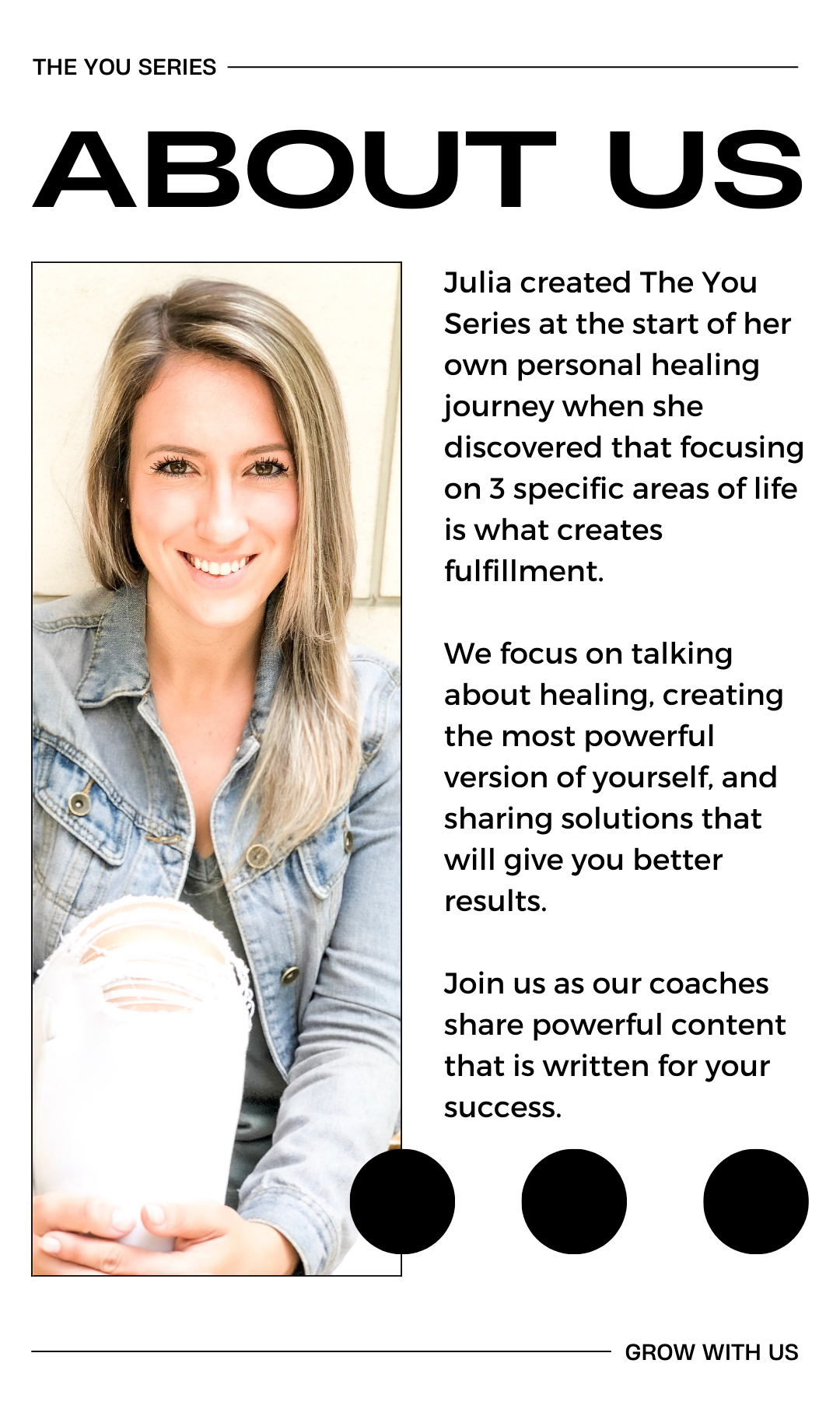
Julia grew up in Vancouver, B.C. She immigrated from Romania to Canada in the ’90s with her family. Julia decided to find her passion. Just like many women, she experienced her own self-image challenges. She came up with the idea of The YOU Series as a part of unraveling the pain of her life. Today she focuses on building The You Series, coaching her clients, and creating new content.
Connect With Julia:





Read More Articles Written By Julia:
What Does a Life Coach Actually Help With?
Why Saying No Feels So Hard (And How to Stop Feeling Guilty)

What Are Core Values? Essential Guide to Clarity & confidence





 Grab It for $19